
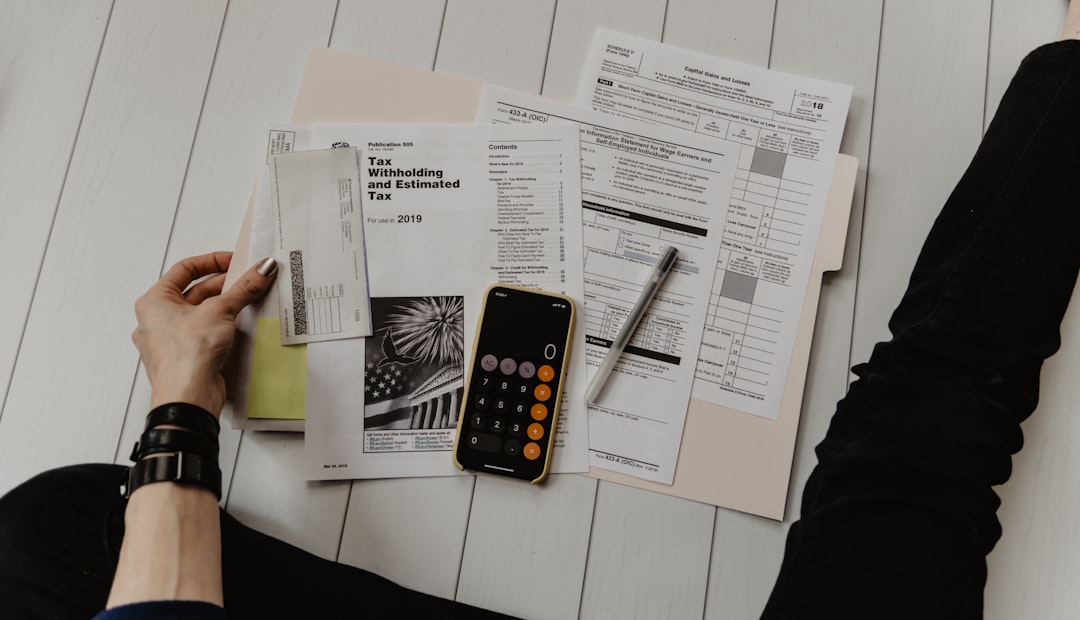
If you are self-employed, you should keep records that clearly show the money your business earned and the expenses it paid. This normally includes invoices, payment records, receipts, bank statements, mileage logs, estimated tax payments, and documents for equipment or other business property.
You do not need a complicated filing system. You just need records that are complete, organized, and easy to find if you need them later.
Quick answer: Keep records for business income, expenses, bank and payment accounts, vehicle use, home-office costs, estimated taxes, equipment, payroll, and copies of filed tax returns.
A Simple Self-Employed Tax Records Checklist
Most self-employed people should keep records in these main categories:
- Business income
- Business expenses
- Bank and payment-account activity
- Vehicle and mileage records
- Home-office records, if applicable
- Estimated tax payments
- Equipment and other business property
- Payroll records, if the business has employees
- Copies of filed tax returns and supporting forms
The right documents depend on how your business operates, but this checklist gives you a practical place to start.
1. Records of All Business Income
Keep records showing how much your business received and where the money came from. This includes income paid by cash, check, credit card, bank transfer, payment app, or an online marketplace.
Useful income records include:
- Customer invoices
- Sales receipts
- Deposit records
- Bank statements
- Payment-processor reports
- Forms 1099-NEC, 1099-K, and other Forms 1099
- Records of cash payments
Do not rely only on Forms 1099. A business may receive taxable income even when no tax form is issued. Your own records should show your total business income for the year.
The IRS says business owners should keep documents showing both the amount and source of their gross receipts. See the IRS guidance on what kinds of records businesses should keep.
2. Receipts and Records for Business Expenses
Keep support for expenses you plan to deduct. A good expense record should show:
- The date
- The amount
- Who was paid
- What was purchased
- The business reason for the purchase
- Proof that the payment was made
Examples include receipts, vendor invoices, canceled checks, credit-card records, and online order confirmations.
A bank or credit-card statement is helpful, but it may not explain what you purchased or why it was for your business. Add a short note when the business purpose is not obvious. For example, instead of saving a receipt with only the name of a store, note that the purchase was “printer paper and toner for the office.”
Common expense categories include advertising, office supplies, software, insurance, professional fees, contract labor, rent, utilities, repairs, and business travel.
Keeping personal and business spending separate will make this much easier. A separate business bank account and business credit card can help, even when the business is a sole proprietorship.
3. Vehicle and Mileage Records
If you use a vehicle for business, keep a mileage log as the driving occurs. Waiting until tax season and trying to recreate an entire year of trips can lead to missing or inaccurate information.
For each business trip, record:
- The date
- Where you went
- The business purpose
- The number of business miles
Also keep the vehicle's total mileage for the year. If you use the actual-expense method instead of the standard mileage rate, keep records for expenses such as gas, insurance, repairs, registration, lease payments, and depreciation.
Personal commuting is generally different from business travel, so do not treat every trip from home to work as a business trip. Vehicle deductions can depend on the facts, including where your principal place of business is located.
4. Home-Office Records
If you claim a home-office deduction, keep records showing that the space qualifies and how you calculated the deduction.
Depending on the method used, this may include:
- The square footage of the office and the home
- Rent or mortgage-interest records
- Utility bills
- Homeowners or renters insurance
- Repairs and maintenance
- Property-tax records
- The dates the space was used for business
In most cases, the area must be used regularly and exclusively for business. There are limited exceptions, including certain inventory-storage and daycare situations. The rules can become more complicated when a space has both personal and business uses.
5. Estimated Tax Payment Records
Many self-employed people make quarterly estimated tax payments. Keep proof of every federal and state payment, including:
- Payment confirmation numbers
- Bank records
- Copies of checks
- Dates and amounts paid
- The tax year and payment period selected
Do not assume every payment was applied correctly. Compare your records with your IRS and state tax accounts before filing your return.
6. Equipment and Other Business Property
Keep detailed records for items expected to last longer than one year, such as computers, machinery, furniture, tools, and business vehicles.
Save documents showing:
- When and how you acquired the property
- The purchase price
- The date it was first used in the business
- The business-use percentage
- Improvements made to the property
- Depreciation or Section 179 deductions claimed
- When and how the property was sold or disposed of
These records may be needed for several years because they help determine depreciation and any gain or loss when the property is sold.
For a closer look at deducting major purchases, read our guide to tools, trucks, and equipment tax write-offs.
7. Payroll Records if You Have Employees
If your business has employees, keep payroll and employment-tax records separately. These may include Forms W-4, payroll registers, time records, wage information, tax deposits, and filed payroll returns.
The IRS generally says employment-tax records should be kept for at least four years after the tax becomes due or is paid, whichever is later.
How Long Should Self-Employed People Keep Tax Records?
For many federal tax records, the general IRS period is three years. However, some records need to be kept longer.
- Three years: The general period for records supporting most filed returns
- Six years: When more than 25% of the gross income shown on the return was not reported
- Seven years: Records related to a claim for a bad-debt deduction or loss from worthless securities
- At least four years: Employment-tax records after the tax becomes due or is paid, whichever is later
- Longer for business property: Keep property records through the year of disposal and until the limitation period for that return expires
- Indefinitely: If no return was filed or a fraudulent return was filed
These are federal rules. State requirements and other business needs may call for a longer period. Before destroying records, make sure they are not needed for insurance, financing, property ownership, payroll, or another legal purpose. The IRS provides a full explanation in its guidance on how long businesses should keep records.
Can You Keep Tax Records Digitally?
Yes. Electronic records can work as long as they remain complete, accurate, legible, organized, and retrievable.
Scanning a receipt can be useful because paper receipts can fade or become lost. Use clear file names and keep a backup. For example:
2026-07-11_Office-Supplies_48-25.pdf
Do not store your only copy on a phone or computer that could be lost or damaged. Use a secure backup system and protect accounts containing tax documents with multi-factor authentication.
IRS Publication 583 explains that the requirements applying to paper books and records also apply to electronic storage systems. The system must preserve and reproduce complete, legible records.
An Easy Filing System That Takes About 15 Minutes a Month
Create one folder for each tax year, then add these folders inside it:
- Income
- Expenses
- Bank and Payment Accounts
- Vehicle and Mileage
- Home Office
- Estimated Taxes
- Equipment and Assets
- Payroll
- Filed Tax Return
Once a month, download statements, save receipts, update mileage, and make sure income records match the money received. A short monthly routine is usually much easier than sorting through a year's worth of records during tax season.
Frequently Asked Questions
Do I need a receipt for every business expense?
You need enough reliable documentation to prove the amount and business purpose of an expense. The type of proof may vary, but a receipt or invoice is usually the clearest support. Certain expenses, including vehicle, travel, and gifts, have additional recordkeeping rules.
Is a bank statement enough for a business expense?
A bank statement proves that money was paid, but it may not show exactly what was purchased or why it was business-related. Keep the receipt, invoice, or another record explaining the purchase whenever possible.
Should I keep records if I did not receive a Form 1099?
Yes. You are generally responsible for reporting taxable business income whether or not a customer or payment platform sends you a Form 1099.
Can I take pictures of receipts?
Digital copies can be acceptable if they are accurate, readable, organized, and can be retrieved when needed. Make sure the full receipt is visible and keep secure backups.
Should personal and business records be kept separately?
Yes. Separating them makes bookkeeping and tax preparation easier and helps show which transactions belong to the business.
Good Records Make Tax Time Easier
Good recordkeeping is not only about being prepared for an IRS question. It helps you understand whether your business is making money, keeps expenses from being overlooked, and makes tax preparation less stressful.
If you are self-employed and need help preparing your tax return or determining what records are needed, TaxGuard Accounting Solutions offers a fully online process for individuals and small businesses.
Complete the secure request form, and we will review your situation before any work begins.
Sources
- IRS: What kind of records should I keep?
- IRS: How long should I keep records?
- IRS Publication 583: Starting a Business and Keeping Records
This article provides general educational information and is not individualized tax or legal advice. Tax rules can depend on your facts and may change. Consult a qualified professional about your situation.